
Seal Service-Center Stock: Confirm the Last Journey to the Plant
Resolve the release, collection and plant-delivery scope behind a service-center seal-stock proposal.
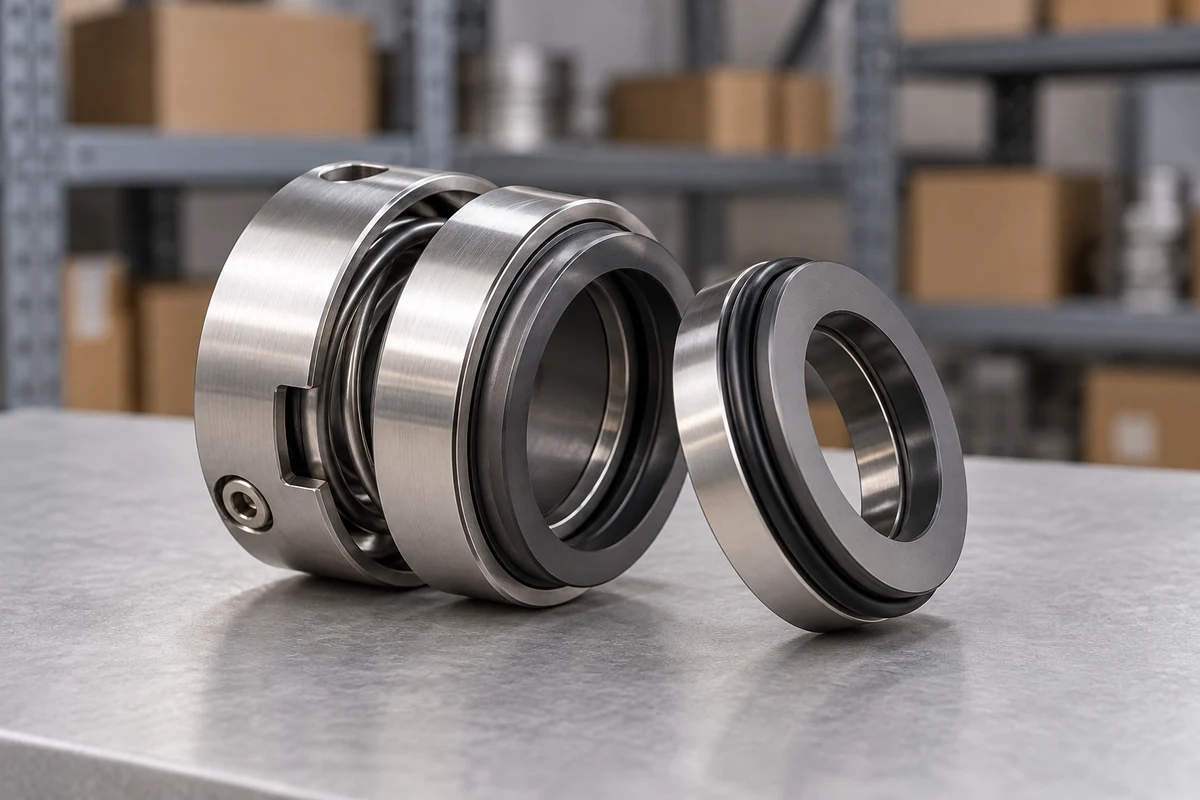
A seal described as held for a customer at a service center is not yet a delivered spare at that customer's plant. Before treating the stock arrangement as a complete logistics solution, identify the physical location, the release instruction and the remaining movement to the agreed receiving point.
The decision concerns the last service boundary in an inventory proposal. It does not calculate a reorder position or approve a seal for use. Take the approved item requirement and stock-rights decisions as inputs, then establish what still has to happen for that particular spare to reach its recipient.
Locate the stock in the actual offer
EagleBurgmann's inventory-management page describes tailored stocking for complete seals and spare parts, with inventory on the customer's site or at an EagleBurgmann Service Center. These are distinct possible locations. The page does not establish a particular buyer's reserved quantity, delivery price or plant-arrival commitment.
Ask the provider to identify which location its proposal uses and which exact approved reference is covered. Distinguish a complete seal from a component intended for another service step. Do not convert a general stocking capability into evidence that the specific spare is physically present.
A reservation or inventory report may support one part of the record. Request an attributable answer about release and movement separately. If the location changes, review the delivery assumptions rather than retaining an earlier quote for a different starting point.
Name who can call off the item
Establish the actual contact or process that initiates release. Ask what order, authorization or other information the provider requires and who is responsible for supplying it. Avoid assuming that anyone at the plant may request delivery or that an internal maintenance message is also a completed provider instruction.
Record any conditions the provider states. The buyer's own expectation of urgent use is not confirmation of an urgent dispatch service. If availability or release timing remains conditional, retain that wording alongside the relevant movement estimate.
Keep technical suitability with its responsible owner. A stock-release instruction should refer to the already approved requirement; it should not select another seal because it is closer to the plant.
Define the final handover
Ask whether the stock arrangement includes transport to the plant, collection by the buyer or only making the item available at the service center. Identify the receiving address and endpoint. Arrival at a gate, delivery to stores and a later technical handover may be different scopes.
Where a separate movement is needed, obtain the actual package data and service quote. Where delivery is included, identify the offer that includes it so another freight purchase is not added for the same work. Do not presume a storage, call-off or emergency charge; ask whether one applies.
Service-center delivery worksheet
| Record | Required response |
|---|---|
| Covered item | Approved seal or spare reference and quantity |
| Physical location | Named plant or service-center stock point |
| Stock evidence | Attributable availability or reservation record with limitations |
| Release authority | Who may instruct release and what the provider requires |
| Movement owner | Provider delivery, buyer collection or separate carrier |
| Receiving endpoint | Actual address and included handover |
| Price boundary | Included movement, quoted addition or unresolved cost |
The worksheet is an original service-scope aid. It does not confirm a reservation, change ownership or authorize installation.
Fictional example: reserved off site
A fictional maintenance buyer receives a proposal for an approved spare held at a service center. Its internal budget records the stock fee and assumes the item can appear at the plant whenever requested. The proposal does not identify the final delivery scope.
The buyer asks who can call off the part and whether delivery is included. If the provider offers collection only, the buyer obtains a suitable movement proposal. If delivery is included under stated conditions, those conditions stay with the stock record. An unanswered question remains open rather than being assigned zero cost.
The completed purchasing record connects a specific stock arrangement to a defined plant handover. It still cannot establish immediate availability at every moment or readiness for use. Recheck the delivery plan when the location, required reference or actual service conditions change.
Bring a defined question to the supplier
See Spareparts product context for the relevant buying category. Use the Spareparts sourcing enquiry to describe the exact item and unresolved commercial question. Spareparts provides independent aftermarket and unbranded buying coordination and supplier negotiation. The named manufacturers are documentary examples, not affiliations or a claim that Spareparts supplies their branded products or services.
Frequently asked questions
Does reserved stock mean the seal is already at my plant?
No. Identify the physical stock location and actual release and movement arrangements. A reservation and completed delivery are different evidence events.
Should I add a courier charge automatically?
No. First determine whether the actual stock-service offer already includes the needed movement. Quote a separate leg only where it is required and avoid counting an included leg twice.
Can any plant employee call off a reserved seal?
Use the actual provider's agreed release process and the buyer's authority arrangements. A general contact message does not necessarily satisfy the required instruction.
Does the stock plan establish that a substitute seal is suitable?
No. Keep the approved reference and responsible technical review intact. Location or apparent availability does not approve substitution or installation.
Sources
Discuss a sourcing request related to this article.Seal Service-Center Stock: Confirm the Last Journey to the Plant