
Control-module handover: compare project and offered revision records
A catalogue-number match leaves a separate question about the device attributes expected by the documented control project.
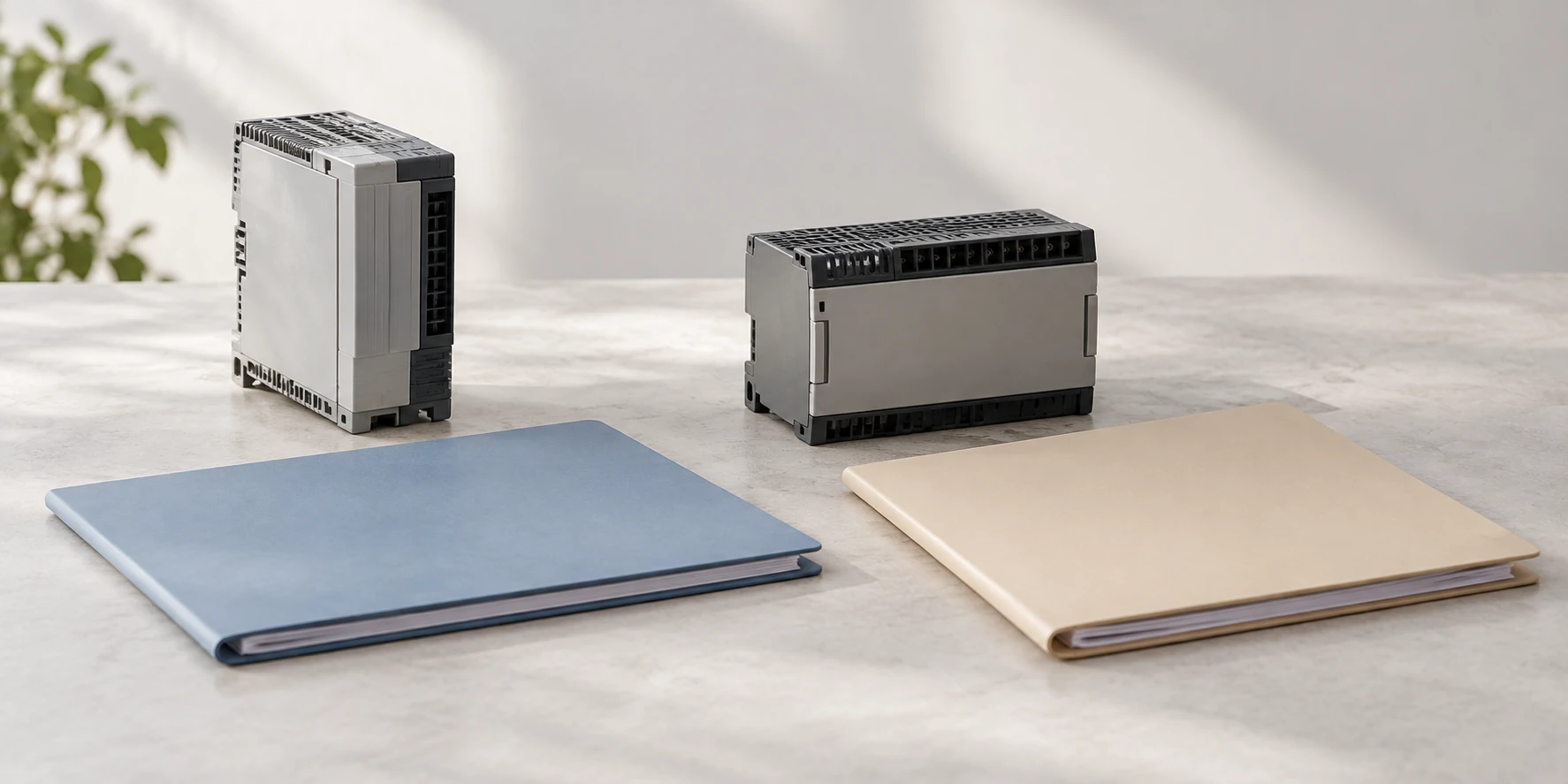
An offered replacement module may have the requested catalogue number while its revision record differs from the configuration expected by the control project. Purchasing should transfer that difference to the responsible controls owner before describing the substitution as settled.
This is a document comparison for an already authorized procurement review. It does not require connecting to a live controller, changing project settings or testing whether the machine will run.
Preserve both sides of the comparison
Rockwell's electronic-keying documentation identifies vendor, device type, product code and revision attributes in the project/device comparison. Exact Match and Compatible Module describe different conditions; emulation is not simply a catalogue-number match. Rockwell electronic-keying documentation
Request an authorized project record from the controls owner and an attributable offered-device record from the supplier. Keep the documents separate and record their provenance. A screenshot without a project identity or a seller listing without an identified offered revision leaves part of the comparison unresolved.
Do not reinterpret the current project setting to accommodate an available item. Any technical change belongs to the controls owner's approved process. The cited documentation warns that online changes can interrupt connections; this article does not provide or authorize such a change.
Assign the compatibility question to its owner
The supplier should state what unit and revision it is offering. The controls owner should assess that proposal against the actual project and application requirements using applicable product evidence. Procurement records the response and any conditions; it does not turn the word compatible in a sales description into engineering approval.
A higher revision should remain a specific proposal until that assessment is complete. Preserve the actual major and minor revision information instead of summarizing it as newer. If the supplier cannot commit to the offered revision, state the uncertainty in the commercial record and request a bounded supply response.
Likewise, a controls response may address a defined identity comparison without approving all application requirements. Ask the owner to state the covered scope and remaining conditions. Do not translate a limited documentary conclusion into a blanket authorization to commission the equipment.
A fictional same-number offer
Suppose the buyer requests a replacement under one catalogue reference. The seller offers that reference but identifies a different revision, while the available project record expects exact matching. No specific model or revision values are assumed here.
Forward the discrepancy with both source records to the controls owner. The next step is an attributable decision on the offered item and any separately authorized change scope. It is not an instruction to disable a check or alter the project so the purchase can proceed.
If the owner rejects the proposal, retain the reason as a requirement for the next offer. If the owner requires further evidence, keep the procurement status open. A revised seller description without a changed unit or qualified response does not resolve the original question.
Transfer a bounded substitution record
| Record | Owner or evidence |
|---|---|
| Project expectation | Authorized project identity and relevant device attributes |
| Offered device | Supplier-attributable catalogue and revision information |
| Difference | Exact fields that disagree or remain unknown |
| Technical response | Controls owner's applicable assessment and limits |
| Supply commitment | Identified offered scope and any unresolved condition |
This record supports a purchasing decision while leaving live-system work to the authorized technical team. It supplies no bypass, keying-setting choice, firmware route or operating approval, and it should not be used as a safety-controller substitution guide.
Send the bounded handover question
Use the machined-parts category and Spareparts sourcing request to describe the item and unresolved purchasing question. Independent aftermarket or unbranded buying coordination and supplier negotiation do not establish manufacturer affiliation, original-equipment supply, specialist technical capability or engineering approval.
The initial form accepts a supported marketplace HTTPS link, an 8–1200-character description or screenshots. It accepts up to five PNG, JPEG, WebP or GIF images, no more than 10 MiB each and 20 MiB combined. PDF, CAD and ZIP files require a separately agreed authorized exchange; the image field is not a technical-file portal.
Frequently asked questions
Does the same catalogue number settle the replacement?
No. Preserve the project-defined attributes and the offered device revision for the controls owner’s assessment of the actual proposal.
Is a higher revision automatically acceptable?
Do not assume that. The actual project expectation, product evidence and qualified response must establish the covered compatibility scope.
Should keying be disabled to accept an available module?
This article does not authorize bypassing or changing keying. Keep the purchasing discrepancy open and refer it to the responsible controls owner.
What if the seller cannot identify the revision it will supply?
Record the supply uncertainty and request an attributable commitment or clarification. Do not close the comparison using a generic family listing.
Sources
Discuss a sourcing request related to this article.Control-module handover: compare project and offered revision records