1688 Spare Parts
Spare parts we source from China
We review enquiries for machined components, seals and gaskets, cast housings and structural parts for industrial, machinery and appliance applications. The categories below organise a request. Each replacement needs an approved specification, supplier capability review and an acceptance plan for its intended use.
Last updated
Content reviewed:
Explore spare-parts categories
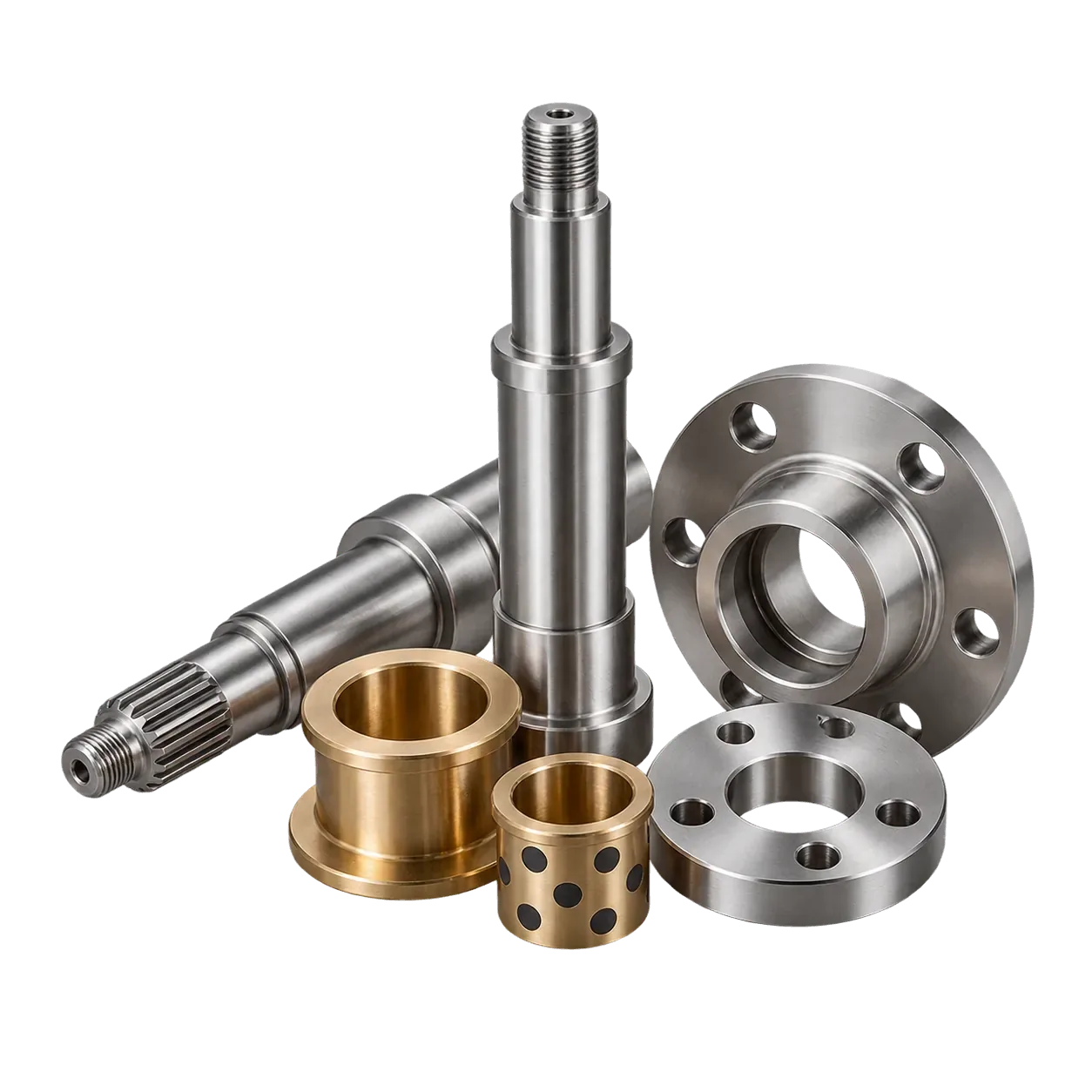
Illustrative category image CNC machining parts
Supply a controlled drawing revision, material, quantity and functional tolerances. Agree inspection evidence and sample approval before authorizing production.
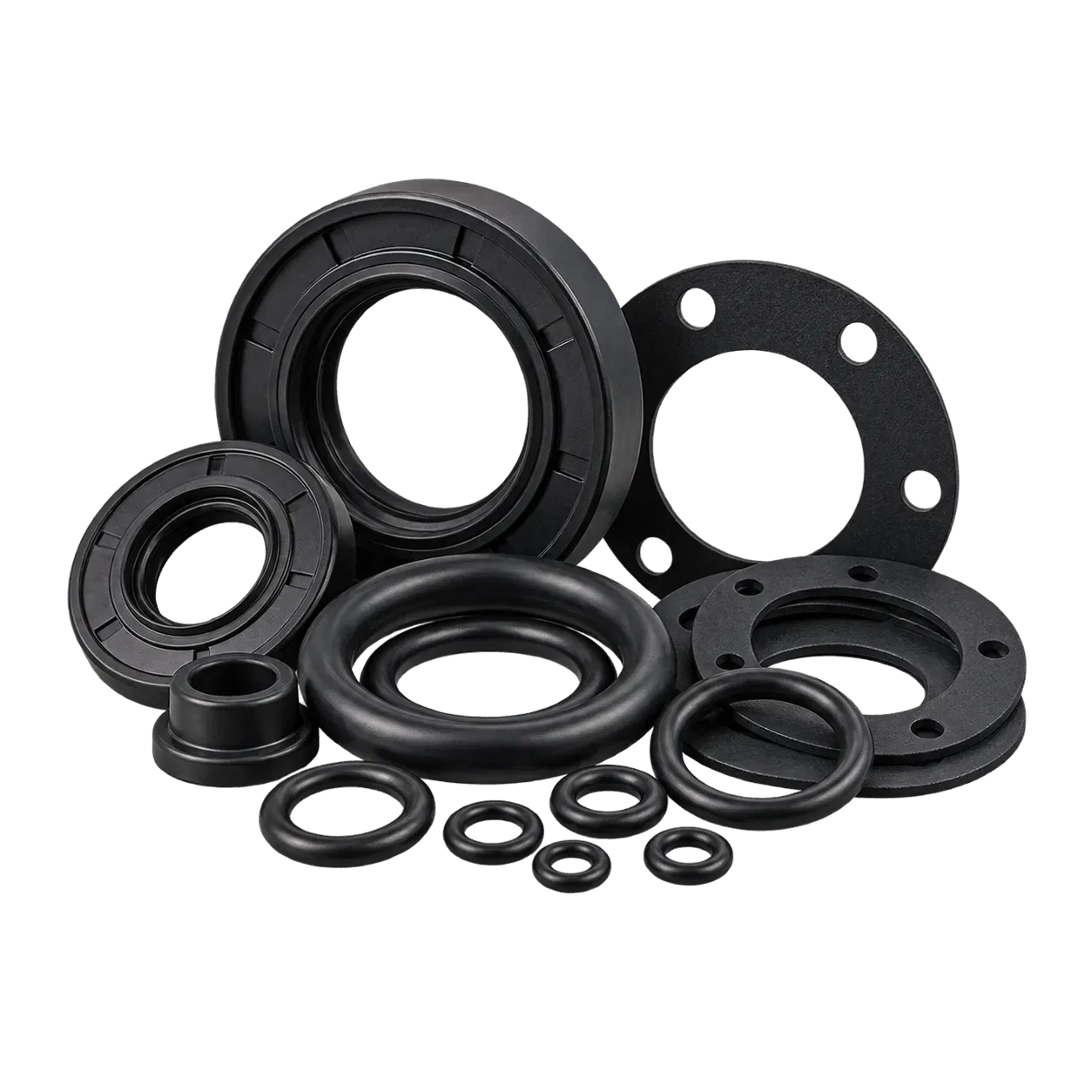
Illustrative category image Seals and gaskets
Specify dimensions, material, hardness and operating conditions. A worn sample alone may not establish the original size or material.
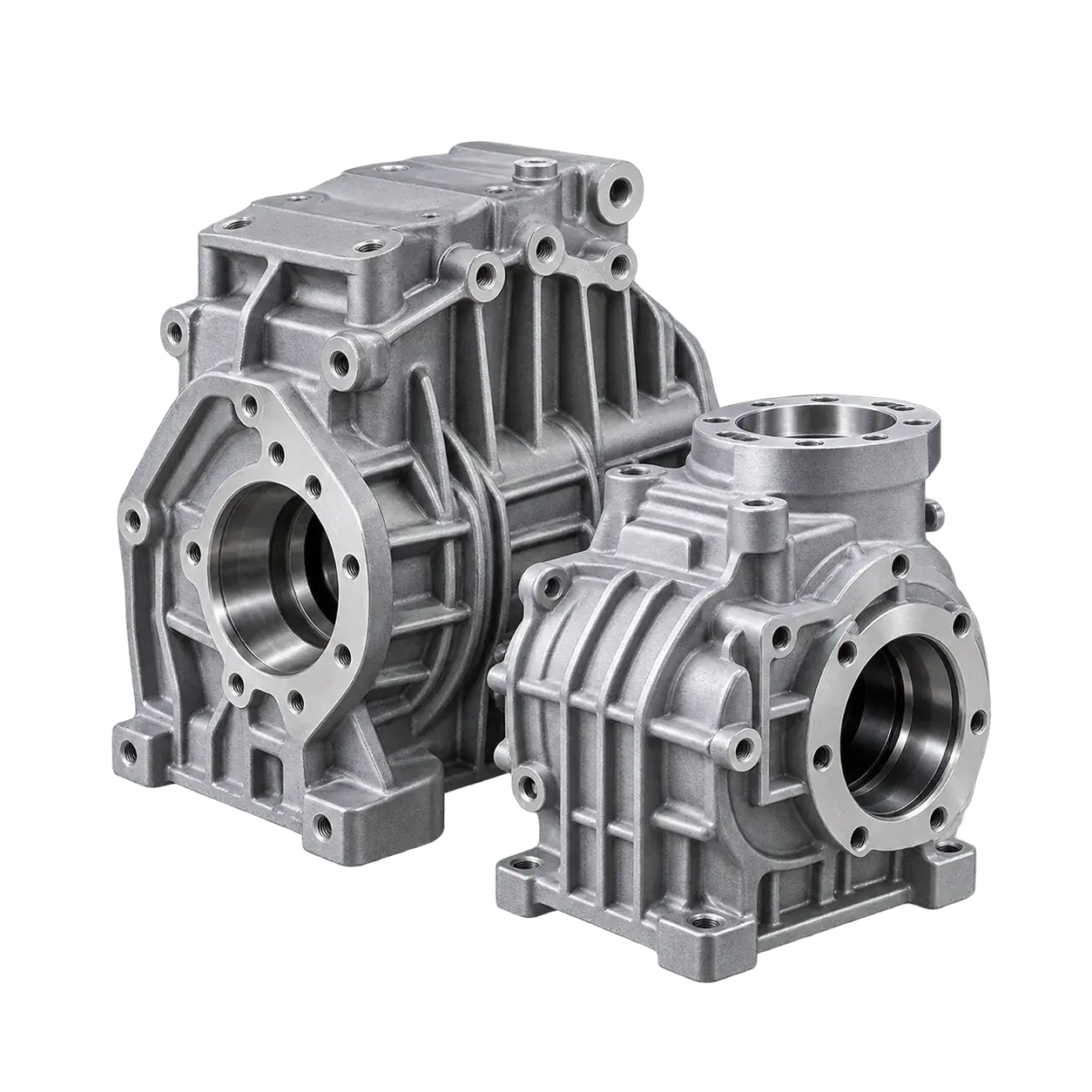
Illustrative category image Cast housings and structural parts
Provide drawings, loading and material requirements. Confirm tooling terms, finishing, inspection and acceptance evidence before approving a supplier quote.
Identify the replacement before choosing the process
Start with the equipment and part function. A current manufacturer part number, controlled drawing or documented approved alternative may be more useful than a damaged sample. Describe mating components, installation constraints and the problem you are addressing.
For obsolete parts, compare feasible local repair, documented supply and manufacture to an approved definition. Do not assume reproduction is appropriate merely because the original is unavailable. Rights, safety, material uncertainty and the cost of validation can change the decision.
Machined parts: control geometry and material together
Bushings, shafts, brackets and similar components need a drawing revision, units, material grade and condition, tolerances, threads and finish. Identify mating dimensions, datums and any characteristics whose acceptance depends on measurement after coating or heat treatment.
A three-dimensional model may not contain every requirement. State the governing technical definition and obtain engineering approval for changes. Ask suppliers to explain how the required features will be made and measured, with first-article evidence separately agreed.
Seals and gaskets: include the operating conditions
Provide the specified compound, hardness range, geometry and housing or groove dimensions where available. State the fluid or medium, pressure, temperature and motion. A material-family name, colour or nominal diameter alone does not establish suitability.
Record the condition of any used sample. Swelling, compression set and wear can alter dimensions and properties, so an old seal should not silently become the manufacturing specification. The responsible technical owner must approve material selection and compatibility requirements.
Castings and structures: make tooling and acceptance explicit
For housings, castings and fabricated structures, provide material, geometry, interfaces, machining allowances and relevant load or pressure requirements. The production process must suit the approved design and quantity, rather than being chosen solely for a lower unit price.
Agree tooling charges, ownership, maintenance, storage and transfer rights before commitment. Define permissible defects, repairs and any required weld, pressure or other specialist checks with a qualified technical owner. Visual photographs cannot establish every internal defect or structural property.
Send a complete sourcing package
Send every supplier the same package so price differences can be traced to scope. Mark unknown grades or tolerances openly rather than guessing.
- Controlled drawing and revision, compatible model if available, units and governing-file rules.
- Material grade, condition, heat treatment, coating and relevant traceability evidence.
- Mating dimensions, critical tolerances, inspection methods and acceptance criteria.
- Quantity now, justified future demand, destination and required recovery milestones.
- Application risks, brand/source requirements and any restricted contents.
Compare the cost of accepted, usable parts
Include setup, tooling, material, manufacture, agreed checks, packing, service and delivered freight in the comparison. Samples or first articles, specialist review and destination charges need explicit lines or exclusions. Scope and fees are agreed per request.
Safety-related components need qualified engineering and regulatory review. Branded goods require suitable source evidence; unusual materials, oils, batteries or magnets may need carrier assessment. The category list does not guarantee feasibility, interchangeability, testing capacity or acceptance of every part.
Questions before you request a quote
- Can you source a discontinued part?
- Submit its identification and technical references for assessment. Availability, a suitable substitute or manufacture may be possible, but feasibility and approval cannot be assumed.
- Do you manufacture the parts yourselves?
- This is an independent buying service. The enquiry and quote should identify the proposed supplier, production scope and evidence required for approval.
- Can I request one piece?
- Yes, but ask for the actual minimum and setup costs. A one-off may require material purchase, fixtures, tooling or review that dominates its unit price.
- Will matching dimensions prove interchangeability?
- No. Material, treatment, interfaces, loads, operating conditions and applicable safety requirements can also matter. Approval belongs to the responsible technical owner.
Find the right category for your part
Send the part reference and technical package, then describe what remains unknown. This helps separate a straightforward supply request from work needing further engineering definition.
Turn this guide into a buying request →
Keep this page as context. Add what you know; review everything before sending. No purchase is made at this step.
Continue to request →