
Wholesale for Middle East (UAE and GCC)
Wholesale Industrial Spare Parts for the Middle East: UAE and GCC Buying From China
Traders, maintenance contractors, equipment dealers and industrial suppliers in the UAE, Saudi Arabia and the wider GCC buy small wholesale lots of rotary joints, gearmotors, flanges, seals and bearings from China, sometimes to hold in a free-zone warehouse and sell on. This page covers VAT, tariff classification, conformity certification and Gulf routes at a high level for such mixed orders.
The Middle East differs because VAT differs by country, duty comes from the GCC common external tariff, free-zone warehouses are commonly used for stock and re-export, and some categories need conformity certification before import. Rules and rates change, so ask a local broker to confirm each point before ordering. We buy, inspect and consolidate in China; local clearance stays with you and your broker.
What to know before you import industrial spare parts into Middle East (UAE and GCC)
VAT differs between the UAE and Saudi Arabia
UAE VAT is 5% and Saudi Arabia VAT is 15%, so the same shipment is taxed differently depending on where it clears. Include VAT when comparing delivered prices, and ask a local broker how import VAT is collected and recovered for your business, since that detail depends on your registration.
GCC tariff by classification
Duty is set by the GCC common external tariff by classification, so check the exact code of each part type with a broker. A coupling, a flange and a gearmotor may fall under different codes. Do not apply a rate from a similar-looking product, and ask the broker to confirm before the order is paid.
Free zones and re-export
Free-zone warehouses, for example in Dubai, are commonly used by traders to hold stock and re-export. A free zone can suit a distributor who sells into several markets from one stock point. Ask a local adviser what registration the zone requires and how goods are handled when they leave the zone for the local market.
Conformity certification
Some product categories need conformity certification before import, and the scheme depends on the country and the product. Vehicle parts and electrical goods often do, so a gearmotor with its motor may raise the question. Ask the broker which scheme applies to each item, and do it before you pay for the order.
Landed cost and final checks
Small lots carry heavier fixed charges for clearance, port handling and delivery, so consolidating several suppliers' goods usually lowers cost per unit. Before ordering, confirm classification, VAT treatment, free-zone options and conformity requirements. Rules and rates change, and so do conformity schemes, so confirm again whenever your product list changes.
Customs rules, rates and product requirements change. Treat this page as orientation and confirm the current position for your exact product with a licensed customs broker or the national customs authority before you order.
Routes and timing for Middle East (UAE and GCC)
Typical Gulf gateways are Jebel Ali for Dubai, and Dammam and Jeddah for Saudi Arabia. Sea time is roughly 2-4 weeks port to port, but port-to-port is not door-to-door: clearance, conformity checks and inland delivery add time. For a small mixed shipment, agree with your forwarder whether the goods go into a free-zone warehouse or clear for local delivery, because that decides the paperwork.
A small wholesale plan for Middle East (UAE and GCC)
Check conformity requirements
Ask a local broker which conformity scheme, if any, covers each item you plan to buy, especially any gearmotor with its electric motor. Settle this before you pay for the order, not after the goods are packed.
Sample, then a mixed first lot
Buy one sample of each critical part, such as a rotary joint thread type or a flange bolt pattern, and inspect it at our warehouse. Then combine several sellers' goods into one mixed first lot.
Choose free zone or local clearance
Agree with your forwarder whether the consolidated shipment goes into a free-zone warehouse for stock and re-export, or clears for local delivery through Jebel Ali, Dammam or Jeddah.
Listings buyers in Middle East (UAE and GCC) ask about
-
Rotary unions
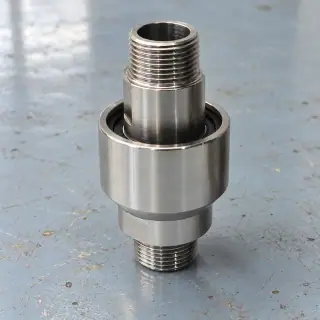
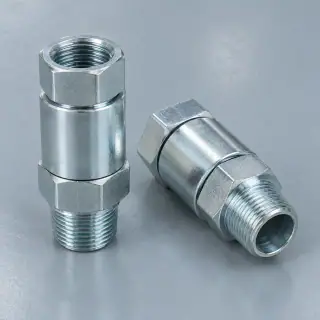
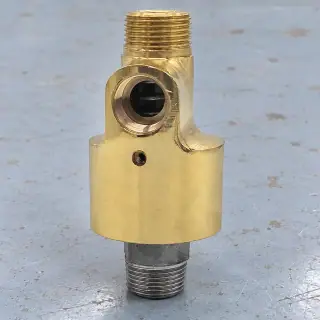
10 archived listings, observed $1.55–$23.28.
-
Machined flanges and spacers


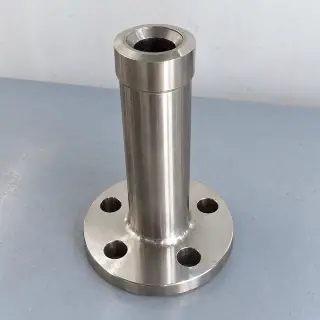
5 archived listings, observed $0.70–$3.96.
-
Gearmotors and gearboxes
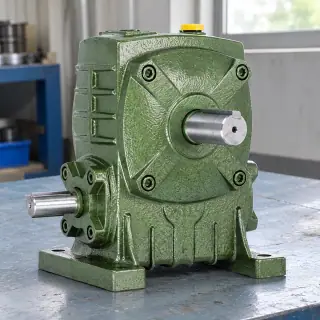

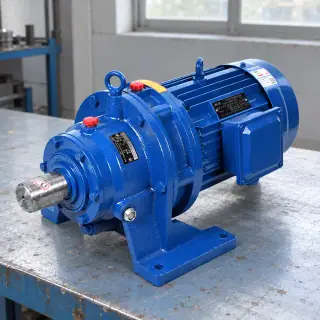
11 archived listings, observed $15.28–$125.
-
O-rings and seals

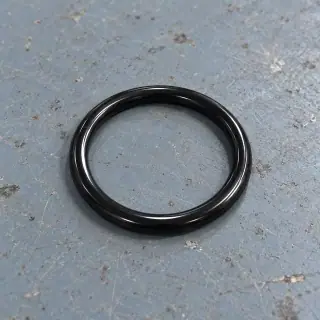

11 archived listings, observed $0.02–$1.44.
-
Bushings

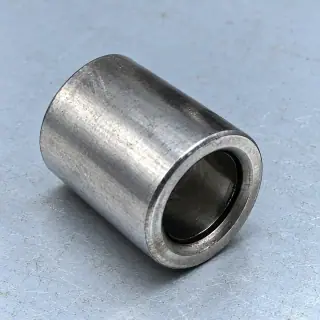
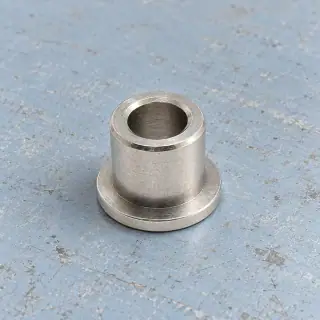
9 archived listings, observed $0.21–$2.26.
Wholesale industrial spare parts for Middle East (UAE and GCC): questions
How much VAT applies to spare parts imported into the UAE and Saudi Arabia?
UAE VAT is 5% and Saudi Arabia VAT is 15%. Duty is separate and is set by the GCC common external tariff by classification. Check the exact code of each part type with a local broker, and confirm how VAT is collected and recovered for your own registration.
Can I hold imported spare parts in a Dubai free zone for re-export?
Free-zone warehouses, for example in Dubai, are commonly used by traders to hold stock and re-export. Whether your business can use one depends on the zone's registration rules, so ask the zone operator or a local adviser. We can consolidate goods in China for the port your forwarder names.
Do gearmotors need conformity certification before import into the Gulf?
Electrical goods and vehicle parts often do, but the scheme depends on the country and the exact product. Ask a local broker which scheme applies to a gearmotor with its motor, and get the requirement before ordering. Bearings and seals should also be checked, not assumed exempt.
Which Gulf port suits a small mixed lot of spare parts from China?
Jebel Ali serves Dubai, while Dammam and Jeddah serve Saudi Arabia. Sea time is roughly 2-4 weeks port to port. Choose by where the goods will be held or used, and agree clearance and delivery with your forwarder in advance.
Importing to another market?
Planning a first order for Middle East (UAE and GCC)? Tell us the items, the quantities and the delivery address and we return an itemised delivered price, with the sample-first option laid out.
Plan a small order