
Hydraulic rod receipt: review a proposed polishing remedy
Require a defined technical remedy and reacceptance scope when polishing is offered for a hydraulic rod concern; a shinier surface is not the acceptance target.
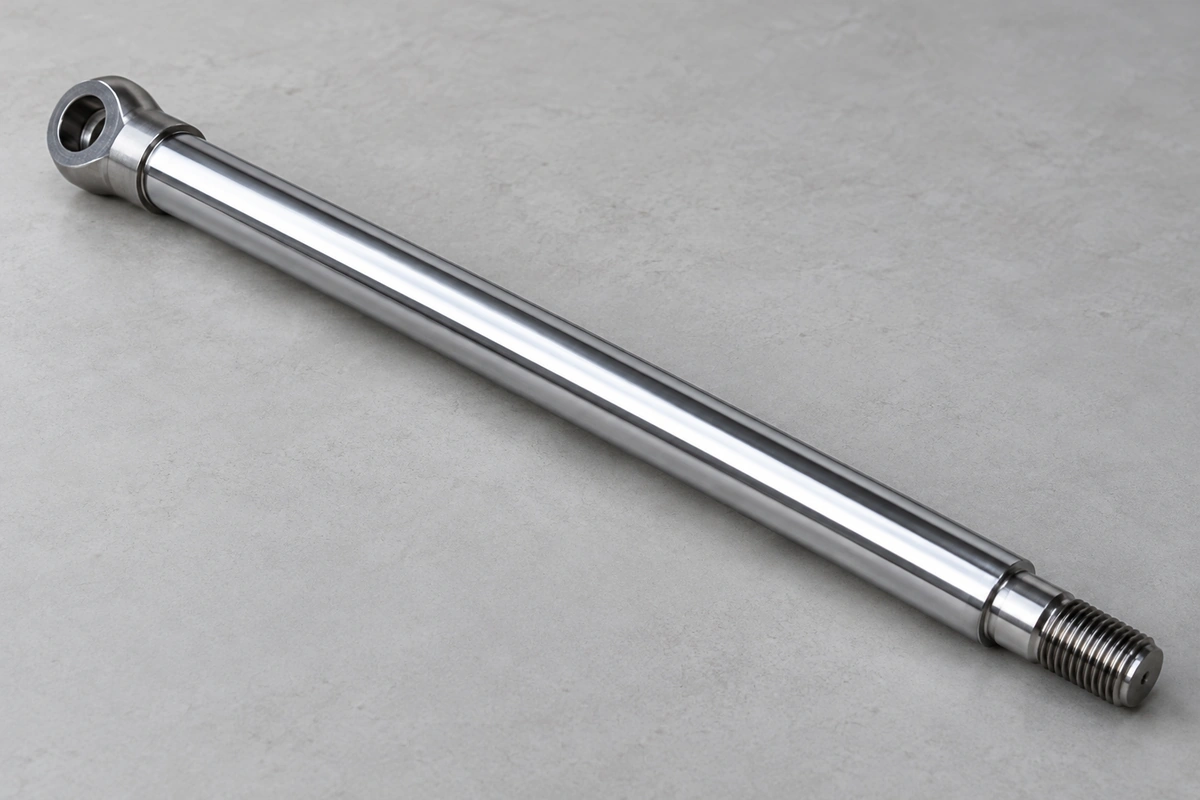
“Polish it smooth” is not a complete remedy proposal for a hydraulic rod receipt discrepancy. Before authorizing work that changes the surface, establish what requirement the remedy must restore and how that result will be accepted. Appearance alone cannot define the goal for a surface that works with a dynamic seal.
This article starts after a concern has been reported and a supplier has proposed polishing. It is a remedy-authorization review, not a guide to abrasives, roughness measurement settings or rod repair.
Explain why more smoothness is not the goal
Hallite explains that an overly smooth dynamic surface may not retain lubrication adequately, while a coarse surface can damage the sealing lip. This is the functional reason to reject an open-ended “smoother is better” remedy. Its published discussion is not an approval to rework the reader’s rod or a universal acceptance range. Hallite surface roughness guidance
Recover the controlled rod and seal-system requirements from the technical owner. Preserve the actual surface specification, material or coating requirements and relevant geometry already defined for this part. Do not extract a general web value and make it the target for an unknown rod.
Make the proposed change reviewable
Ask the supplier to state the affected area, proposed work scope, competent provider and intended outcome. Request the technical basis for believing that the operation addresses the reported concern without leaving other specified characteristics unresolved. The provider should identify what must be evaluated, rather than the buyer assuming a polishing operation cannot affect anything else.
Keep proposal, approval and completed-work records separate. A supplier saying it can polish is a capability claim for review, not evidence that work was authorized or completed. Ask which original requirements will be rechecked and what report will support reacceptance. Do not prescribe the physical process or tell the provider to keep working until a number looks favorable.
Commercial terms also need their own agreement: affected items, responsibility, costs and what happens if the approved remedy does not establish acceptance. The article creates no warranty entitlement or promise of a successful restoration.
Remedy-authorization worksheet
| Field | Required decision input |
|---|---|
| Original concern | Identified rod, affected area and existing receipt evidence |
| Governing requirement | Released rod/seal-system specification, not appearance preference |
| Proposed operation | Provider’s bounded work scope and supporting technical rationale |
| Affected characteristics | Reviewer-defined requirements that need assessment after the change |
| Authorization | Named decision owner, exact approved scope and unresolved exclusions |
| Reacceptance evidence | Required post-work record and separate technical outcome |
Unlike a report-comparability checklist, this worksheet asks whether to allow a material-altering operation before it occurs. A perfectly comparable report cannot authorize an unapproved remedy.
A fictional shinier-rod offer
A fictional supplier responds to a rod surface concern by offering polishing and a final photograph. No target requirement or post-work acceptance plan is supplied. The buyer should request those missing decisions before approving the operation.
Suppose a competent reviewer then defines an acceptable route and the buyer authorizes that exact scope. The completed work still needs the specified evidence and a reacceptance decision. A shiny image is a supporting appearance record, not proof that all relevant characteristics were restored.
If the provider cannot establish a suitable route, keep the remedy unapproved and consider an agreed alternative such as replacement through the commercial process. Do not broaden polishing into coating removal, dimensional correction or system testing without a new explicit scope. Close the receipt discrepancy only to the extent supported by the actual post-work decision.
Prepare a bounded supplier question
Use the Seals and gaskets category and Spareparts sourcing request to identify the item and the unresolved question. Independent aftermarket or unbranded buying coordination does not establish manufacturer affiliation, original-equipment supply, inspection availability or technical approval. The manufacturer references above explain documentation; the fictional example is not a customer case.
The form supports a supported-marketplace HTTPS link, an 8–1200-character description, or screenshots. It accepts up to five PNG, JPEG, WebP or GIF images, at most 10 MiB each and 20 MiB combined. It does not accept PDF, CAD or ZIP uploads. Arrange other authorized technical files only through a separately agreed exchange.
Is a smoother rod always better for a dynamic seal?
No. Hallite identifies different concerns with surfaces that are too smooth or too coarse. The actual product requirement and qualified review must govern any remedy.
What must be decided before polishing is authorized?
Identify the original concern, controlled requirement, proposed scope and provider, affected characteristics, decision owner and required reacceptance evidence.
Does a post-polish photograph prove the rod is acceptable?
No. It records appearance within its limits. Acceptance needs the evidence and competent decision specified for the approved remedy.
Can a supplier expand the work if polishing is insufficient?
Treat a changed operation or wider affected scope as a new proposal requiring review and authorization. The original permission should not silently cover additional rework.
Sources
Discuss a sourcing request related to this article.Hydraulic rod receipt: review a proposed polishing remedy