
Slip-ring reorders after a product-line transfer: keep one demand record
Update the ordering route without duplicating demand under old and new supplier records or assuming every historical model transferred.
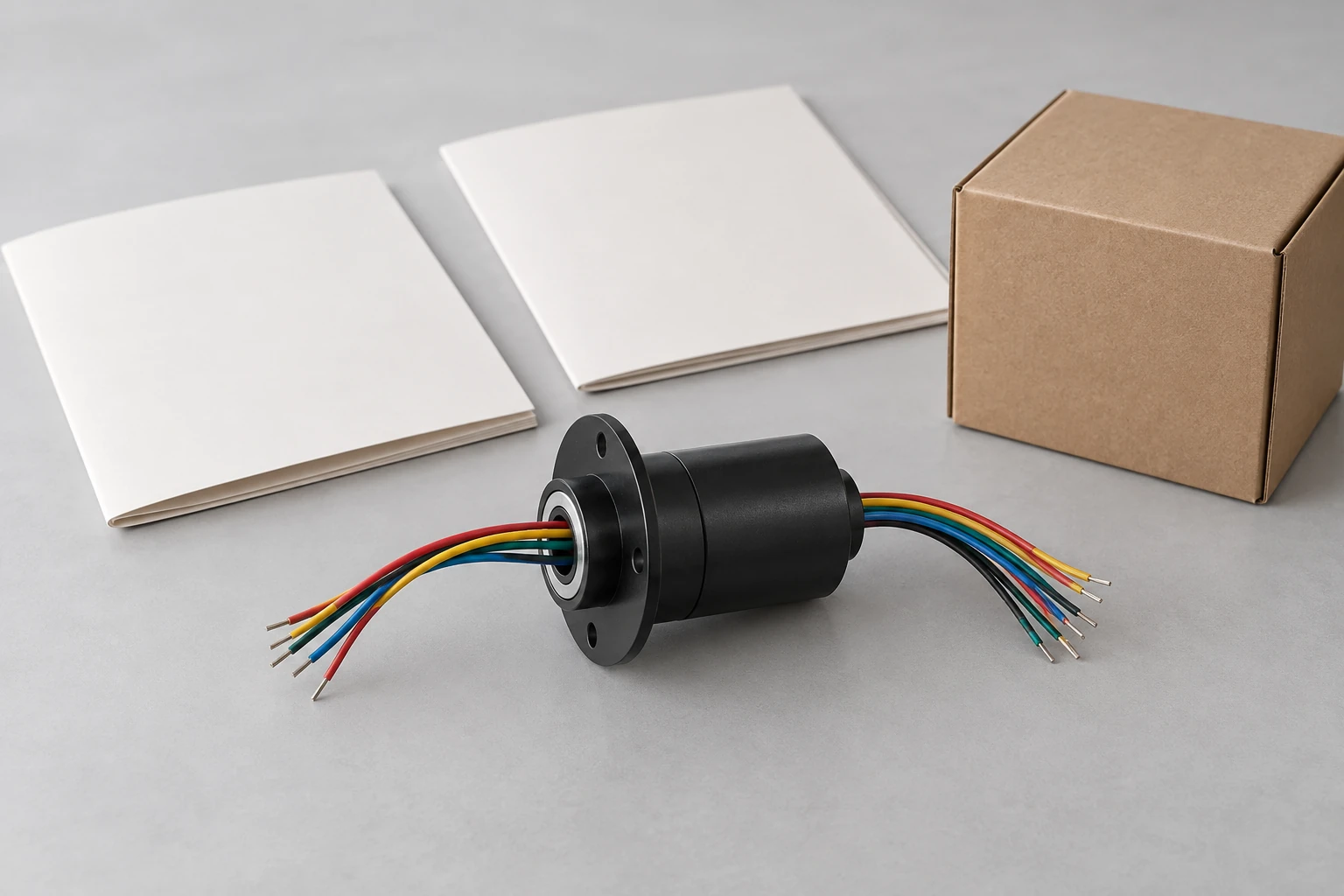
A product-line transfer can leave a maintenance buyer with two supplier records for one replacement requirement. An old reorder shortcut may still point to the previous supplier while a new contact requests the same enquiry. Keep one demand record until the actual order route and item identity are confirmed; two enquiries must not quietly become two purchases.
A corporate announcement establishes the stated transfer scope. It does not approve a replacement configuration or settle every open order, warranty question or historical part number.
Read the named scope of the announcement
HOERBIGER's announcement dated September 12, 2025 states that Deublin would take over production and customer service for specified LTN slip-ring lines from 2026. It names SA, SC and SH, with manufacture and distribution starting in January 2026. HOERBIGER product-line transfer announcement
Use that announcement as a reason to verify the reorder route for an affected record. Do not generalize it to all LTN products or infer that every old model remains available unchanged. The buyer still needs the responsible contact's response for the exact historical identifier and required configuration.
Preserve the original maker reference, any drawing or configuration reference and the earlier order evidence. If a current supplier uses another identifier, record the relationship as proposed until it is supported. A renamed supplier account is not technical evidence that two assemblies are interchangeable.
Link aliases without merging unverified parts
An item master may contain an old supplier item number and a new quotation reference. Link both to the buyer's existing requirement while the responsible owner checks the relationship. Keep the former identifier searchable so past maintenance and stock records remain traceable.
Do not erase an old code or relabel physical stock simply to make the procurement system tidy. An approved alias relationship, a changed configuration and an unresolved reference are different outcomes. Only the first can support an administrative link without a separate technical change decision.
For open enquiries, identify which contact is responding to which request. For an existing purchase order, obtain an explicit order-status response rather than assuming the announcement transferred or cancelled the commercial commitment. The article supplies no legal conclusion about transfer of obligations.
Fictional example: one spare request, two vendor lines
A fictional plant needs one documented slip-ring spare. Purchasing sends an enquiry using its old vendor record and then sends the same requirement to the contact named for the transferred line. Two quotations arrive, and the purchasing system creates two requisition suggestions.
The buyer links both quotations to the single requirement and marks them as alternatives under review. It asks each responder to identify the exact offered configuration and order route. The total approved demand remains one, not two. A second spare would require a separate demand decision.
If the current contact cannot confirm the old identifier, that does not establish obsolescence or authorize a similar-looking substitute. Keep the reference unresolved and obtain the technical and commercial evidence needed for the next decision. Do not promise a replacement date from the announcement.
Preserve the transition trail
| Record | What should remain visible |
|---|---|
| Buyer requirement | Single demand reference and quantity |
| Historical identity | Old maker code and accepted configuration evidence |
| Announced scope | Named transferred line and announcement date |
| Current response | Responsible contact and exact offered reference |
| Alias decision | Confirmed link, changed scope or unresolved identity |
| Open commitment | Actual purchase-order status and duplicate-enquiry closure |
Once the route is confirmed, update the reorder instructions while retaining the old reference and evidence. Keep electrical interfaces, installation and commissioning with the qualified technical owner; a supplier-record update cannot approve those functions.
Prepare the purchasing enquiry
For a purchasing enquiry, use CNC machining and Spare-parts sourcing. Provide the approved reference and the reconciled requirement. These enquiry routes do not establish manufacturer affiliation, branded-product availability or authorization to perform technical service.
Frequently asked questions
Does the announcement cover every LTN slip ring?
The cited announcement names SA, SC and SH lines. It is not evidence that every historical LTN reference transferred or remains available; ask about the exact item.
Can I overwrite the old supplier item number?
Retain it as historical evidence and a searchable reference. Link a new identifier only with an attributable basis, keeping configuration changes separate from administrative aliases.
Do two quotations mean two reorder requirements?
No. Link alternative quotations to the same approved demand record. A second purchased spare needs its own justified quantity decision.
Does a transfer notice cancel an old open order?
Do not infer that outcome. Obtain a specific response about the actual purchase order and route any contractual uncertainty to the responsible commercial owner.
Sources
Discuss a sourcing request related to this article.Slip-ring reorders after a product-line transfer: keep one demand record