
Stock Spring Orders: Test Free Freight Against Real Approved Demand
Compare the actual spending needed to cross a stock-spring freight threshold without buying unneeded or unapproved parts.
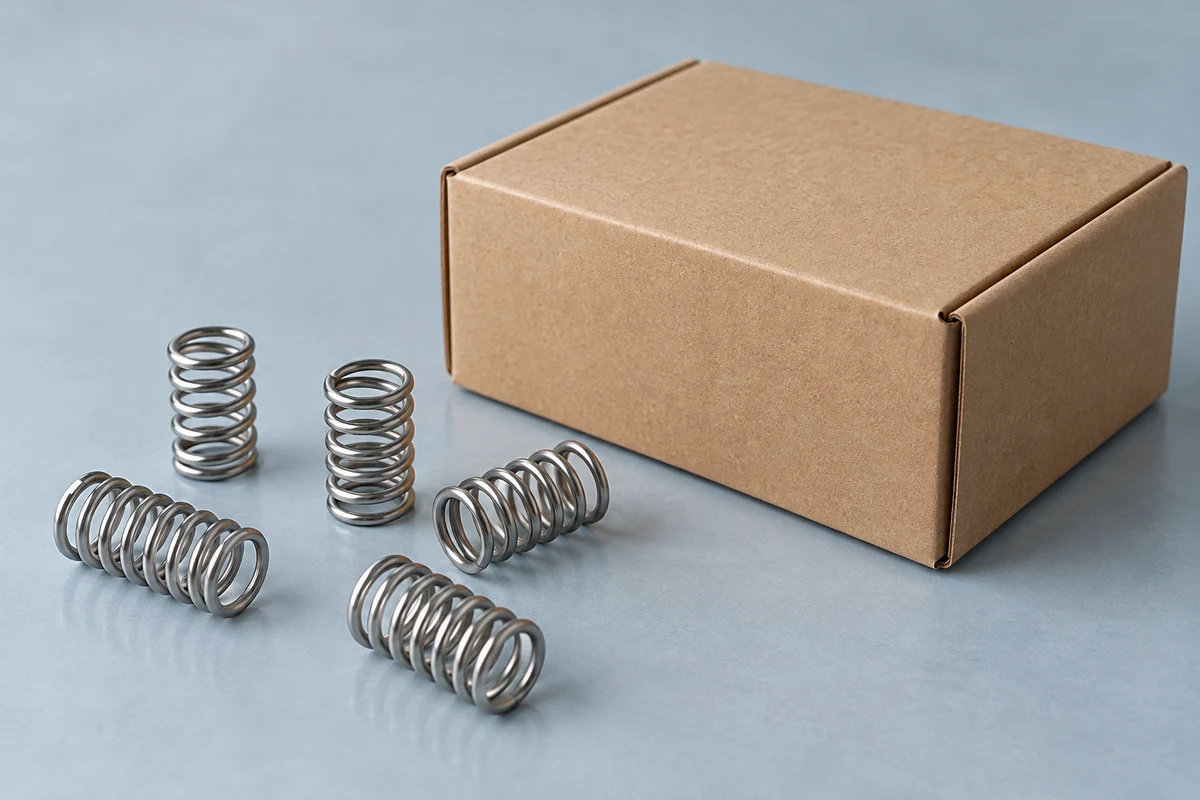
Free ground shipping can cost more than paying carriage if the extra springs added to reach a threshold are not needed. Start with the approved stock-spring references and real quantities, then compare the actual checkout alternatives for the eligible destination and service.
This is a cart-composition decision. It does not choose an alternative spring or justify an extra order by spreading freight over a larger denominator. The useful question is whether combining already required, approved stock purchases changes total spending on a comparable purchasing scope.
Verify the specific offer
Lee Spring's free-shipping page currently describes free ground shipping for stock-spring orders of $40 or more delivered within the Continental United States. Expedited service is discussed separately. This named offer does not promise free international delivery, free custom-spring freight or eligibility under another seller's terms.
Check the current offer at the actual order stage, including the seller, ship-to location and service. If an onward movement from that destination is required, obtain its own scope and price. Free delivery to an intermediate address does not describe the full journey to the final user.
Ask which goods and amounts count toward the threshold where the displayed terms leave that unclear. Do not assume taxes, freight or a different product type qualify. Retain the actual offer or checkout record used for the decision rather than a remembered promotion.
Hold the spring requirement fixed
List each approved stock reference, required quantity and the existing demand it would cover. A similar-looking spring is not an interchangeable filler item. If another part is proposed, its technical review belongs before the commercial comparison.
For a second required item, establish whether combining the purchase is practical. Its quantity must already be justified, and bringing it forward must fit the buyer's actual approval and receiving arrangements. An unconfirmed future need should not be recorded as avoided spending.
A larger cart can have a lower freight line while increasing the total cash commitment. Preserve both figures so the buyer can see what is being purchased in return for the claimed reduction.
Compare two clear cases
Case one is the presently required cart with its actual carriage charge. Case two adds an identified, approved demand item and uses the applicable eligible shipping offer. Keep any service or delivery difference explicit. If the second item would otherwise be bought later, a broader comparison needs a supported later purchasing scenario rather than an invented second freight charge.
Do not treat the headline threshold as the saving. The relevant difference is between complete quoted totals for the chosen scope. Where tax or other charges are not established, label them unresolved and avoid calling the transport-and-goods subtotal a complete landed cost.
Cart decision worksheet
| Input | What to record |
|---|---|
| Required cart | Exact approved spring references and quantities |
| Eligibility | Current seller, goods scope, destination and service |
| Added demand | Existing requirement and approval for the additional item |
| Current-cart total | Actual goods amount and quoted carriage |
| Combined-cart total | Actual added goods and confirmed shipping treatment |
| Remaining movement | Any separately needed onward delivery |
| Decision limit | Unpriced charges, timing differences and unresolved demand |
This is an editorial comparison tool. It neither confirms the seller's current checkout treatment nor approves a spring substitution.
Fictional example: the filler is dearer than carriage
Assume an invented cart needs 8 CU more in goods to reach a fictional free-ground threshold, while quoted carriage for the required cart is 5 CU. CU means fictional currency units, not a market price. Adding an unnecessary 8 CU item to remove 5 CU of carriage increases the stated subtotal by 3 CU.
If that item instead meets an already approved need, the buyer has a different decision: whether to combine two useful purchases under the actual offer. It must still consider any changed service, receiving or later-order assumptions. Neither example creates a reason to increase demand.
Keep the final cart record with the actual approved references. If a product becomes unavailable or the ship-to location changes, recheck the offer instead of replacing the missing item with an unapproved spring to retain free freight.
Bring a defined question to the supplier
See Spareparts product context for the relevant buying category. Use the Spareparts sourcing enquiry to describe the exact item and unresolved commercial question. Spareparts provides independent aftermarket and unbranded buying coordination and supplier negotiation. The named manufacturers are documentary examples, not affiliations or a claim that Spareparts supplies their branded products or services.
Frequently asked questions
Is free shipping always the cheapest purchase?
No. Compare the extra goods spending with the actual carriage removed and keep other costs visible. An unnecessary addition can increase the subtotal even when the freight line becomes zero.
Can I add a similar spring to reach the threshold?
Do not use resemblance as approval. Only an already approved reference and justified demand should enter the useful-purchase comparison; a substitute needs its own review.
Does a domestic free-ground offer cover international onward delivery?
Not by implication. Verify the eligible destination and quote any further movement separately. Do not turn an intermediate free leg into a claim of free delivered cost.
How should I count a later purchase I might avoid?
Use an identified approved demand and a supported alternative purchasing scenario. A possible future order or guessed future carriage charge is not a confirmed saving.
Sources
Discuss a sourcing request related to this article.Stock Spring Orders: Test Free Freight Against Real Approved Demand