Site home Blog 1688 Spare Parts
Buying notes Practical tutorials for quote requests, specification checks, receiving and shipping.
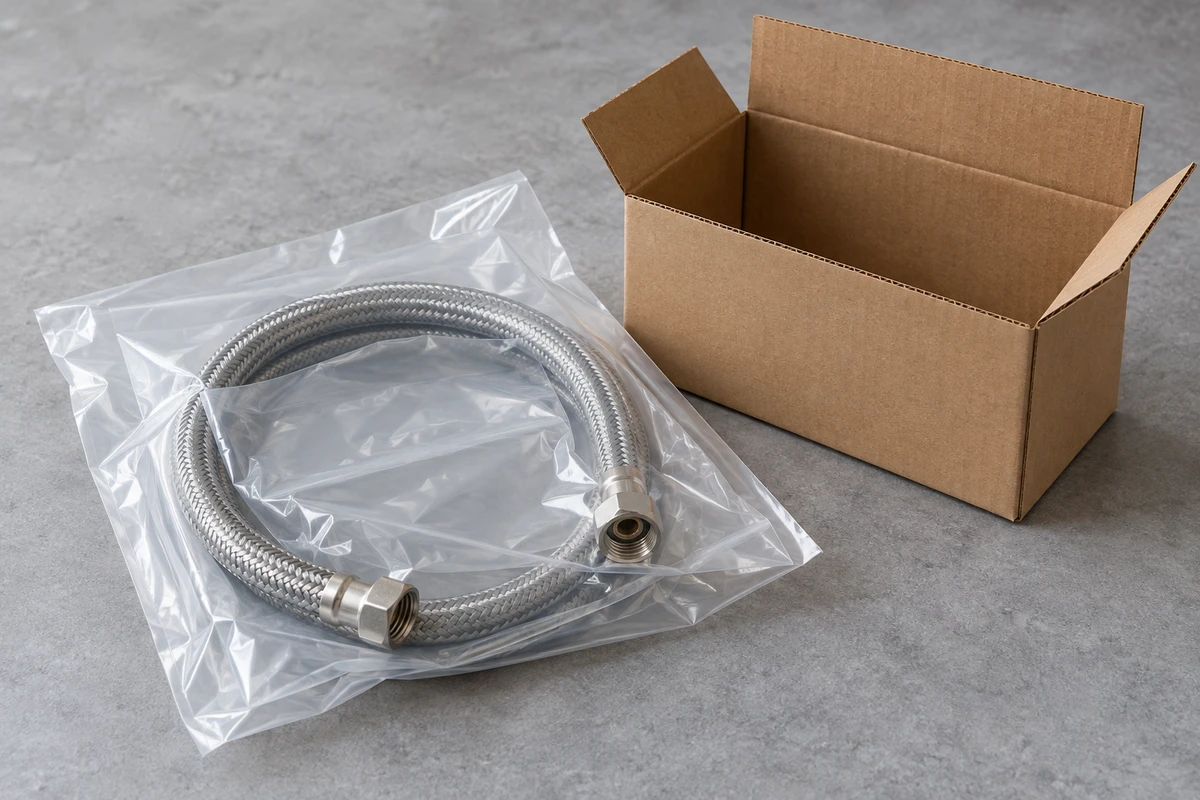
Check whether a hose-kit simplification retains the separately specified destination bag layer and its actual provider support.
Read article: Cleanroom Hose Kits: Keep the Destination Bag Layer in the Supply Scope → Map elastomer, metal and preservative contacts before accepting one outer kit, without assuming that a separator proves compatibility.
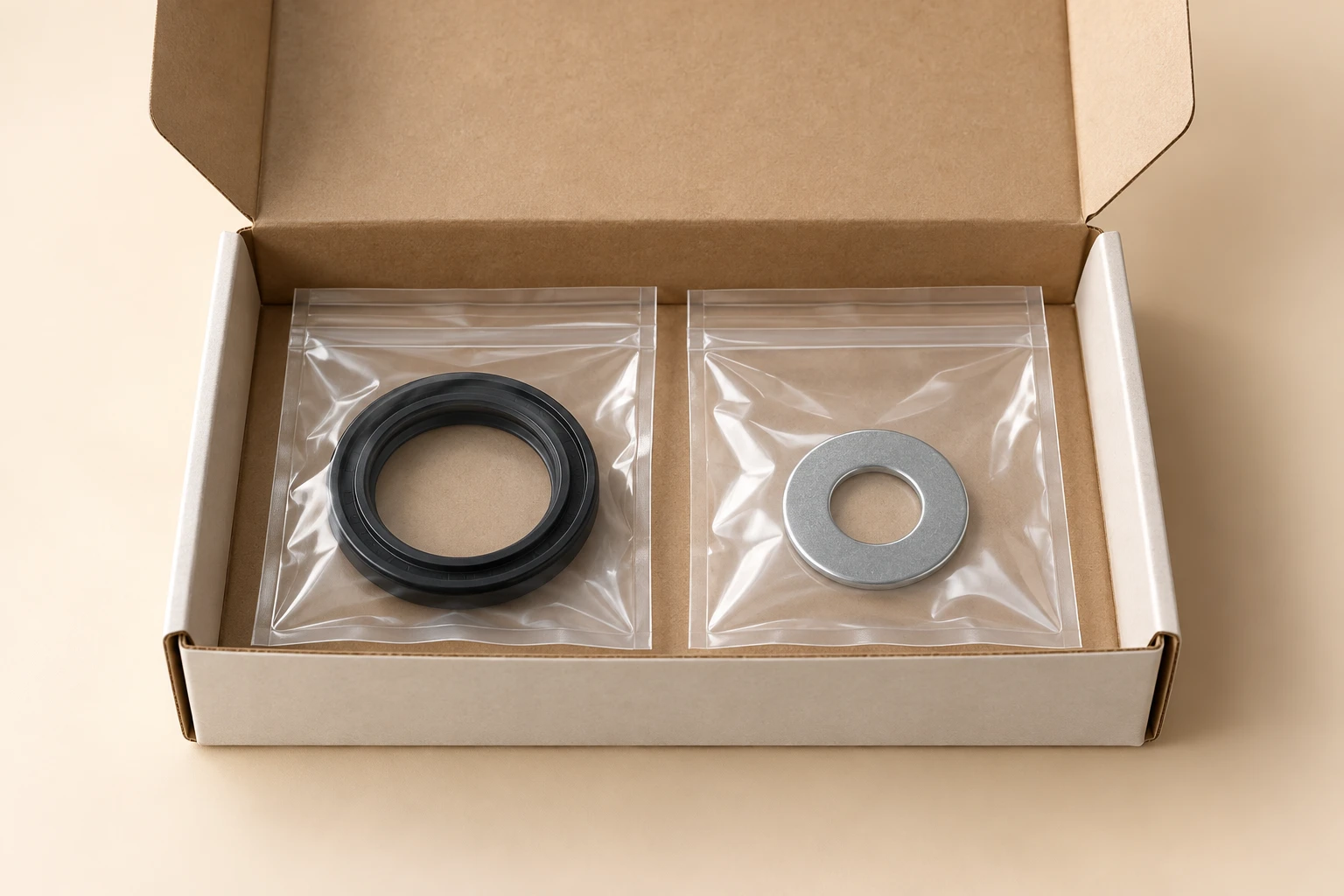
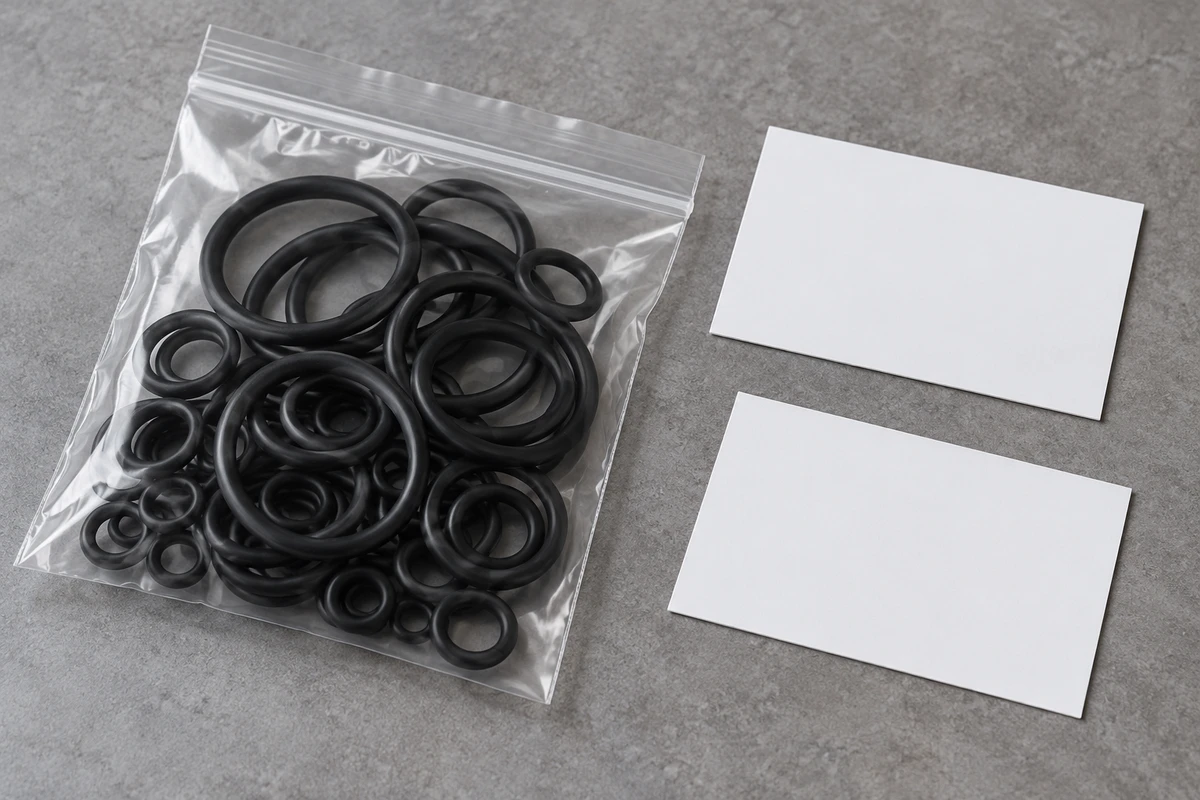
Read article: Mixed seal kits: keep metal treatments outside the seal contact plan → Preserve frame and bundle identity when several fabric joints share one part number, using the actual contract map rather than total bundle counts.
Read article: Fabric expansion joints: distinguish opposite frames across repeated units → Check the actual standard, spacer or taper-sleeve coupling schedule before a generic two-hub description becomes the dispatch contents list.
Read article: Jaw coupling kits: reconcile the selected variant’s parts schedule → Review a smaller seal package against the loose component’s required relaxed state before letting carton dimensions determine its shape.
Read article: Large loose seals: resolve a compact-pack shape proposal → Clarify whether a packing quote buys a reusable device once or duplicates it in each job kit, while keeping accessories and actual availability visible.
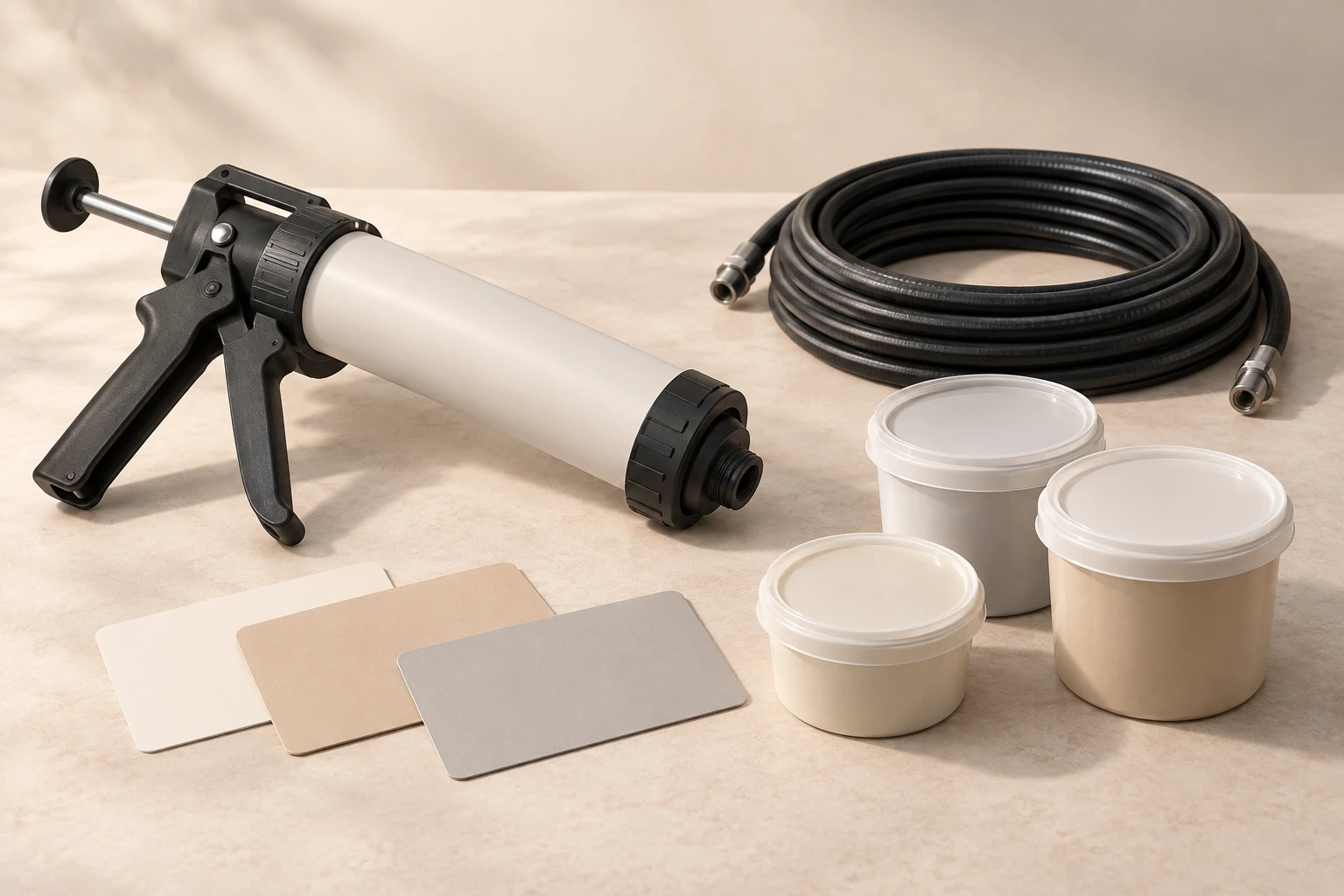
Read article: Packing job kits: separate reusable injection equipment from consumables → Check whether a presentation change preserves manufacturer-referenced information within one complete bearing-and-packing kit.
Read article: Bearing-and-Packing Kits: Preserve Factory-Pack Order Information → Separate individual PTFE gasket segments from complete drawing-defined sets so package quantities do not overstate the purchased gasket supply.
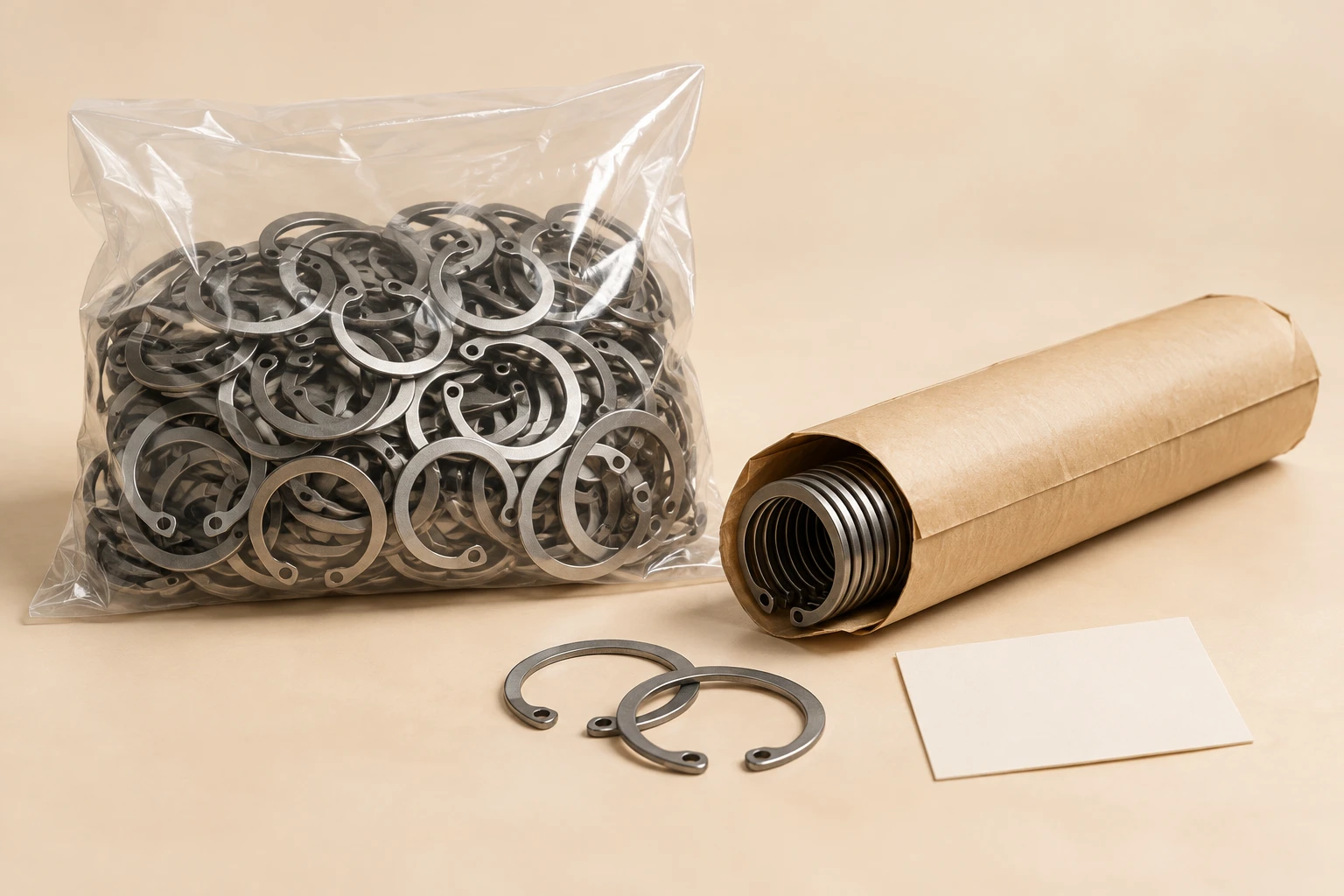
Read article: PTFE gasket segment kits: count complete approved sets → Choose a retaining-ring supply format around the actual issue step, keeping a neat roll separate from a qualified dispensing arrangement.
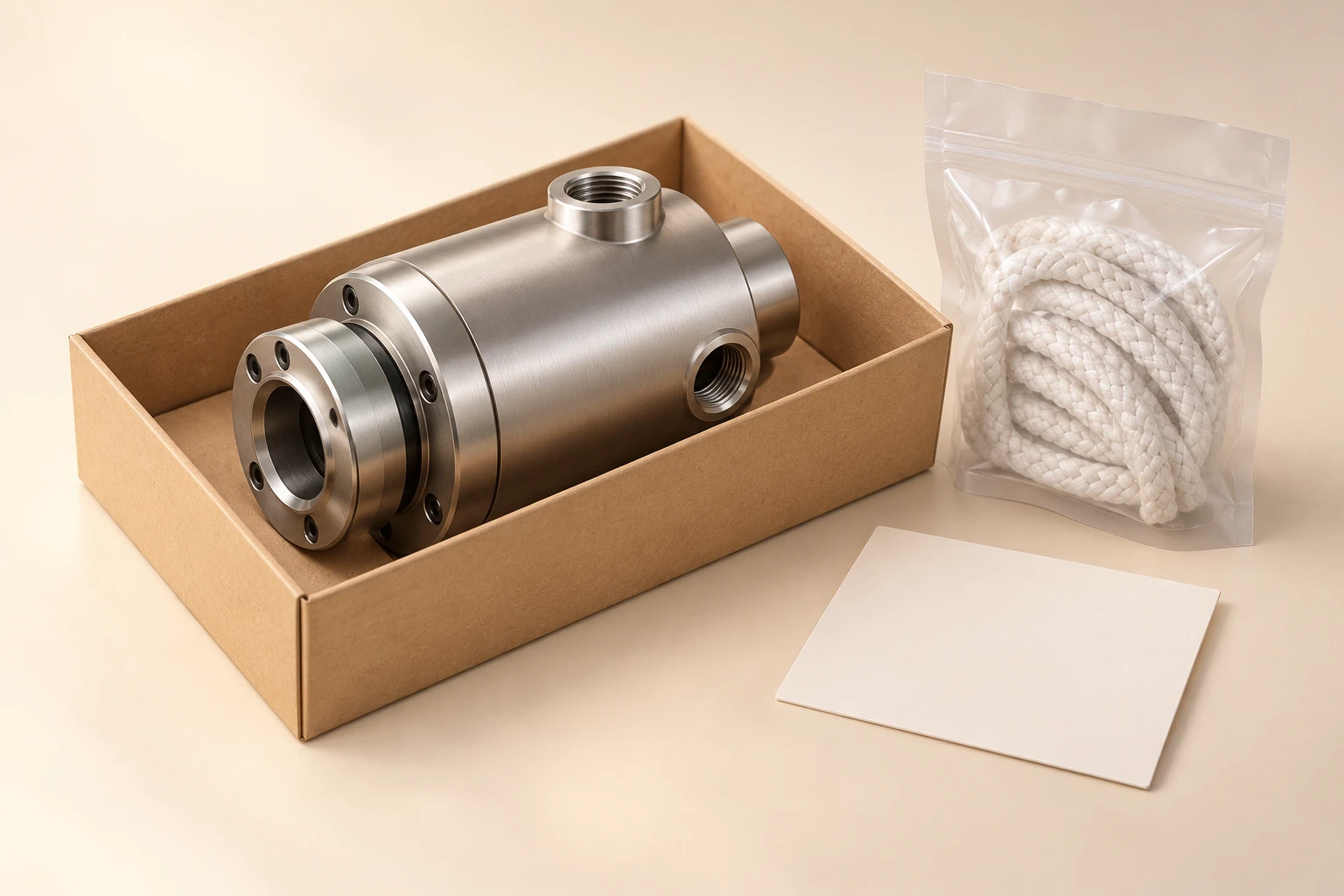
Read article: Retaining ring packs: compare bulk bags with aligned rolls → Separate cushioning from the risk of packing material entering a rotary union opening when a supplier changes the inner arrangement.
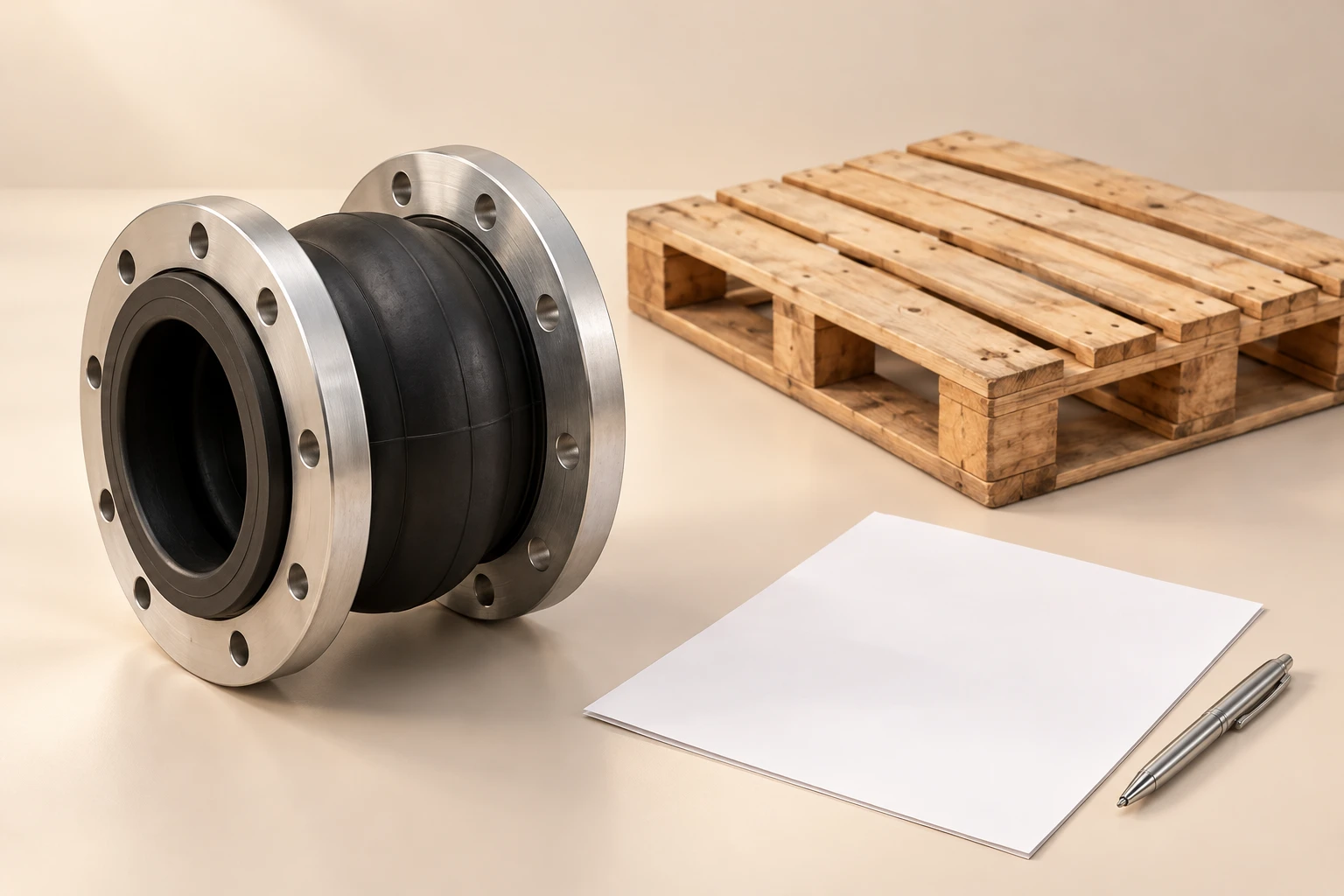
Read article: Rotary union packing: review material near fluid openings → Ask how the actual expansion joint’s documented support requirements appear in the quoted package instead of approving an ordinary stackable-carton assumption.
Read article: Rubber expansion joints: make support part of the packing quote → Resolve unavailable component cure-date evidence before approving seal-kit labels or substituting a differently named date statement.
Read article: Seal Kit Labels: Do Not Turn a Use-Before Date into a Cure-Date Claim → Keep numbered holder relationships separate from seal-face pairing when reviewing a proposal to consolidate split mechanical seals.
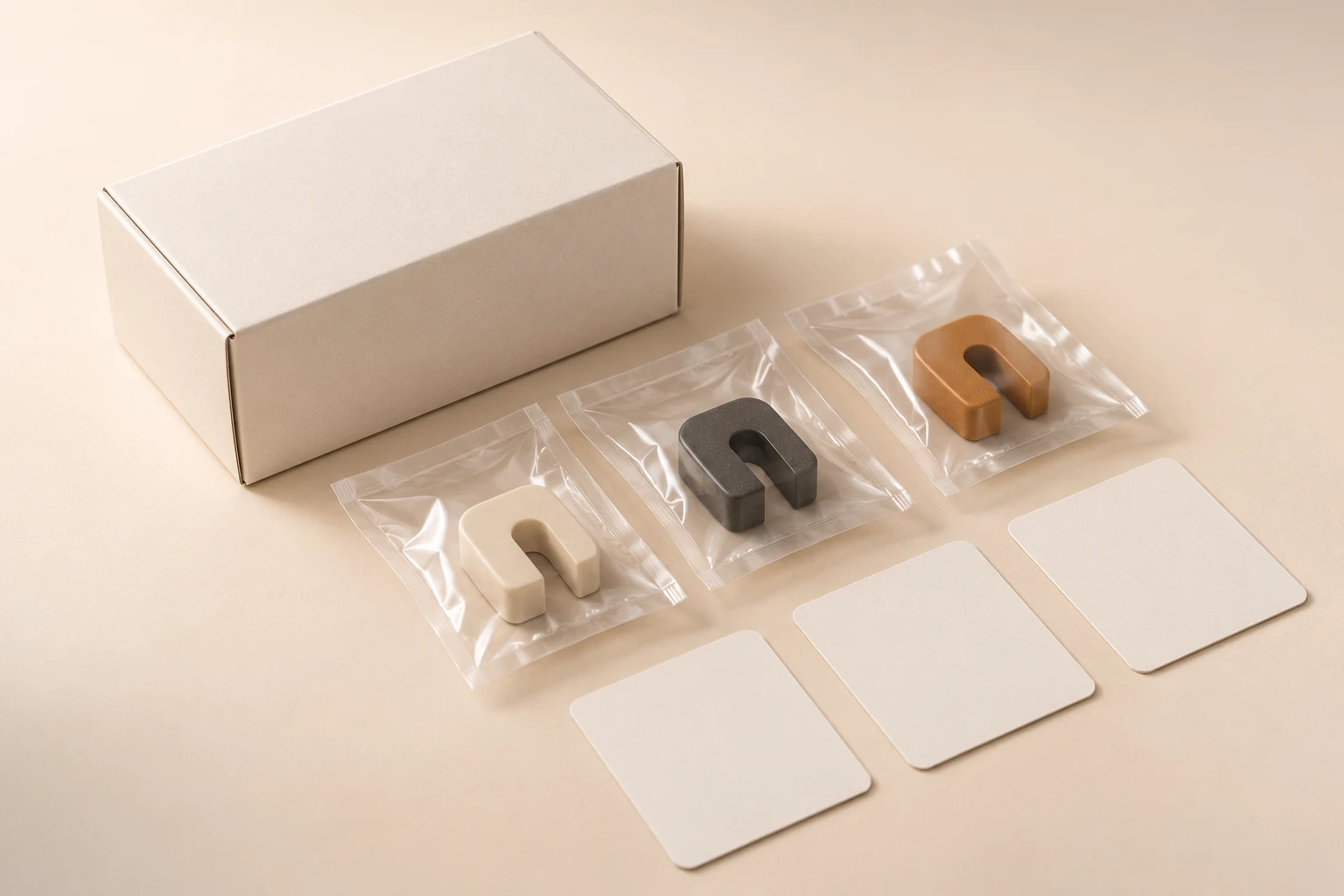
Read article: Split mechanical seal packs: preserve both kinds of pair identity → Keep documented spacer roles visible so a packing cleanup does not treat every temporary-looking split-seal component as disposable material.
Read article: Split-seal pack lists: distinguish shipping and installation spacers → Reconcile changed VCR gasket bag multiples with piece-based kit requirements before accepting a revised supply schedule.
Read article: VCR Gasket Packs: Reconcile a Changed Bag Multiple Before Kitting →